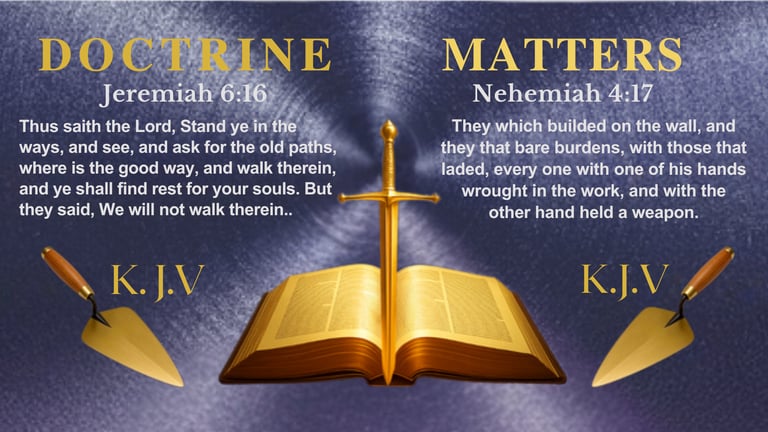
The Josiah Blueprint: Why Doctrine is the Bedrock of Reformation
In the landscape of modern Christendom, the word "revival" is often synonymous with emotional fervor and numerical growth. However, if we examine the historical record of King Josiah in 2 Chronicles 34, we discover a template for spiritual recovery that looks less like a modern festival and more like a forensic excavation.
For those of us who believe Doctrine Matters, Josiah’s life serves as the ultimate proof: there is no lasting spiritual heat without the light of sound doctrine.
1. The Myth of Spiritual Heritage: The Decision to Seek
Josiah inherited a kingdom in shambles. As Groundworks Ministries observes, Josiah was an eight-year-old boy standing in the shadow of Manasseh’s occultism and Amon’s rebellion. He had every "right" to be a victim of the Zeitgeist—the spirit of the age.
Yet, the KJV tells us that in his eighth year of reign, “he began to seek after the God of David his father” (v. 3). Josiah bypassed his immediate, apostate ancestors to find the "Standard." According to Time in the Word, this seeking was a proactive pursuit of Truth that preceded his public ministry by years. You cannot lead a reformation until you have been privately reformed by the Truth.
2. The Kidron Separation: The Violence of Sanctification
Modern theology often suggests we can "add" God to our lives without "subtracting" our idols. Josiah’s theology was more surgical. In his twelfth year, he began to “purge Judah and Jerusalem from the high places, and the groves” (v. 3).
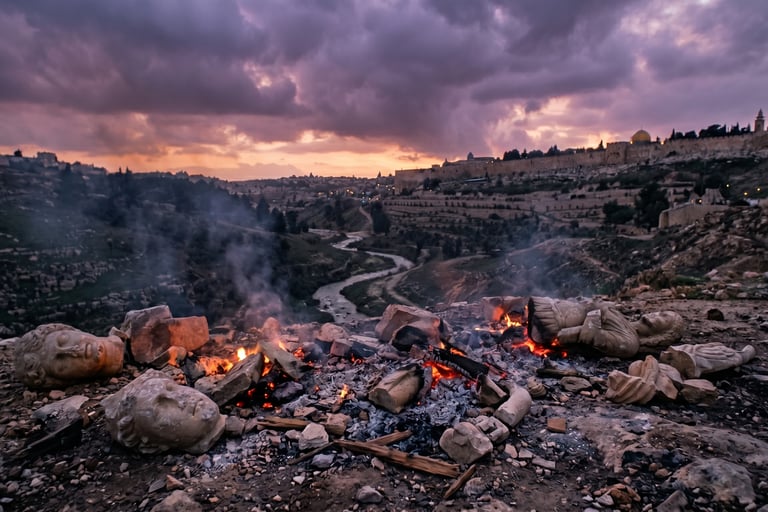
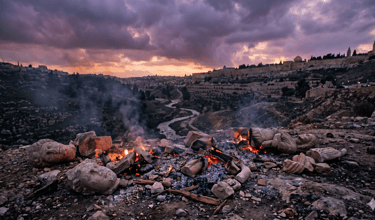
The geography here is vital. Parallel accounts in 2 Kings 23:4-6 reveal that Josiah took the idols to the Brook Kidron.
The Kidron Pattern: This was the "Basin of Purgation." Before Josiah, King Asa (1 Kings 15:13) and King Hezekiah (2 Chron. 29:16) used this valley as the sewer for Jerusalem’s filth.
The Doctrine: Repentance is a change of geography. Moriel Ministries points out that Josiah didn't just disagree with idols; he pulverized them into dust. If your doctrine does not lead you to hate what God hates, it is merely academic.
3. The Scandal of the Lost Scroll: Finding Truth in the Rubble
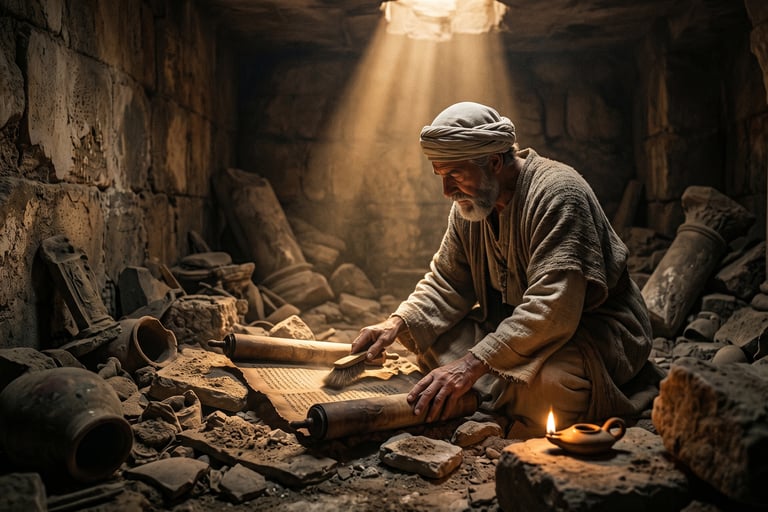
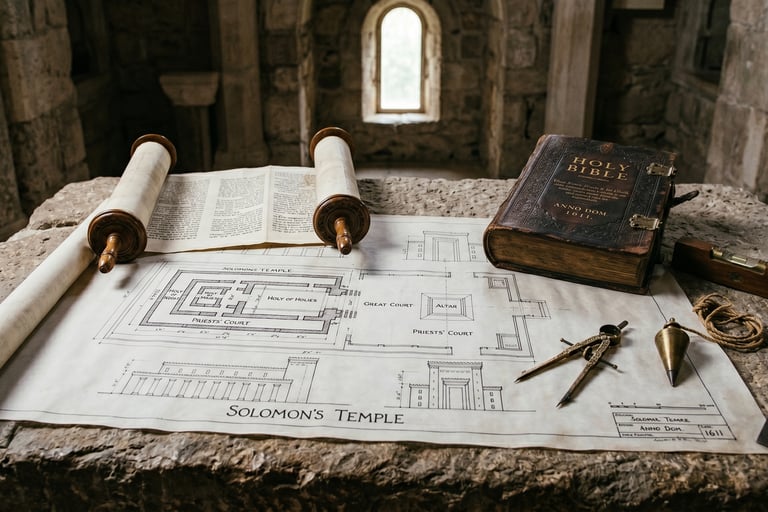
The most indictment-heavy moment occurs in the eighteenth year of Josiah's reign. While repairing the Temple, Hilkiah the priest found “a book of the law of the Lord given by Moses” (v. 14).
As Growing Christians Ministries highlights, the Bible was lost inside the Church. They were busy with religious activity and music, yet the Word of God was buried under the rubble of their traditions. Fuller Seminary calls this the "Next Faithful Step"—God revealed the Word only when the King began to obey what he already knew. In 2026, the "Book" is often lost under the rubble of "seeker-sensitive" strategies. Finding the Book is the rediscovery of the only Authority that matters.
4. The Tender Heart and the Huldah Principle
When the Word was read, Josiah “rent his clothes” (v. 19). This is the hallmark of a "tender heart" (v. 27). The prophetess Huldah delivered a sobering message: judgment upon the nation was fixed because they had forsaken the Lord (v. 24-25). However, Josiah would be spared because he humbled himself.
This is a crucial lesson for the contemporary Remnant. We may not be able to stop the "Great Apostasy" of a Christ-rejecting culture, but individual faithfulness to sound doctrine provides a sanctuary of peace even in the midst of corporate judgment.
5. The Climax: Crossing the Kidron with Christ
The "Doctrine of the Kidron" reaches its zenith in John 18:1, where Jesus “went forth with his disciples over the brook Cedron [Kidron], where was a garden.”
The Three Kings of the Kidron
Scripture Focus: 2 Samuel 15:23, 2 Chronicles 34:4, John 18:1 (KJV)
I. The Weeping King: David’s Crossing (2 Samuel 15:23)
"And all the country wept with a loud voice, and all the people passed over: the king also himself passed over the brook Kidron..."
Long before Josiah or Jesus, King David crossed this brook in a state of total rejection. His own son, Absalom, had usurped the throne. David was not crossing in triumph; he was crossing in humiliation, his head covered and his feet bare, weeping as he went.
The Lesson: David’s crossing represents the Death of Reputation. To follow the true King, you must be willing to be rejected by the "Zeitgeist"—even by those of your own household. David had to lose his earthly kingdom to keep his heavenly calling.
II. The Reforming King: Josiah’s Clearing (2 Chronicles 34:4)
"And they brake down the altars... and he strowed the dust of them upon the graves..." (Cf. 2 Kings 23:6: "...unto the brook Kidron, and burned it at the brook Kidron.")
As we have seen, Josiah’s crossing was about The Death of Idolatry. He didn't cross the Kidron to escape; he went to the Kidron to dump the filth of a compromised nation.
The Lesson: You cannot go to Gethsemane to die to self until you have gone to the Kidron to die to your idols. Josiah shows us that the path to the Garden of God’s presence is paved with the pulverized dust of our "molten images."
III. The Sacrificial King: Jesus’ Submission (John 18:1)
"When Jesus had spoken these words, he went forth with his disciples over the brook Cedron, where was a garden..."
Here is the climax. Jesus does not cross the Kidron because He is fleeing (like David), nor is He there to purge His own sin (for He had none). He crosses the Kidron to Die for Others. * The Contrast: While Josiah threw the dust of dead idols into the brook, Jesus walked over that very brook to become the sacrifice that would wash away the sin those idols represented.
The Garden of Decision: On the other side of the Kidron lay Gethsemane. It was there that the "Greater Josiah" made the final decree: "Not my will, but thine, be done."
THE CALL: Crossing Your Kidron
The Conviction for the 2026 Church:
To "cross the Kidron" with Jesus means three things for us today:
Dying to Self: Just as David was willing to lose his crown, we must be willing to lose our "right" to ourselves. You cannot follow Jesus into the Garden of submission if you are still carrying the "crown" of your own ego.
The Purgation of the Spirit: Like Josiah, we must leave our "Zeitgeist-approved" sins at the bank of the brook. The Holy Spirit will not accompany us into deep intimacy if we are clutching the "vessels of Baal."
Dying for the Brethren: Jesus crossed the Kidron knowing the Cross was on the other side. As Moriel Ministries often reminds us, the "Remnant" is called to be a Crucified Church. We don't just "believe" in the Cross; we take it up. We must be prepared to lose our comforts, our status, and even our lives to stand for the Truth and to serve the sheep who are being led astray by false shepherds.
The Final Charge: The Brook Kidron is the valley of decision. On one side is the city of man, with its idols and its temporary "peace." On the other side is the Garden of Agony that leads to the Glory of Resurrection.
David crossed it in tears.
Josiah crossed it with a sword.
Jesus crossed it with a purpose.
Will you cross it? Will you leave the "Spirit of the Age" behind and walk with the Man of Sorrows? Will you die to yourself today so that you might live for Him and die for others tomorrow?
"For whosoever will save his life shall lose it: and whosoever will lose his life for my sake shall find it." (Matthew 16:25, KJV).
Conclusion: Standing by the Pillar
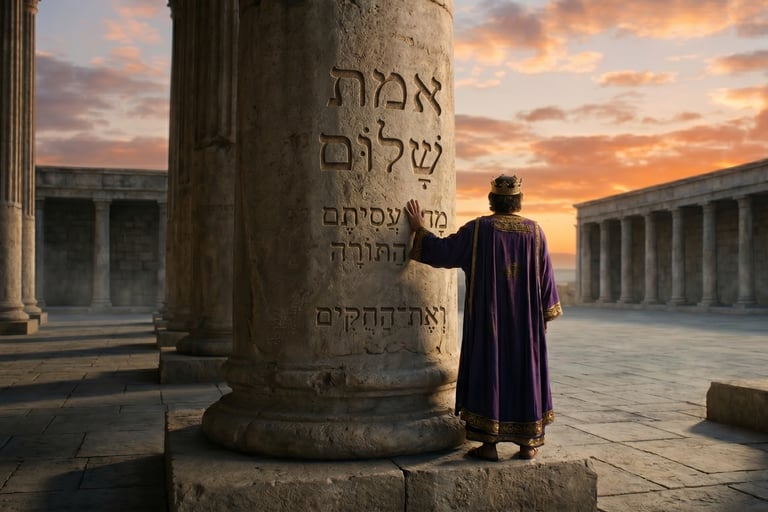
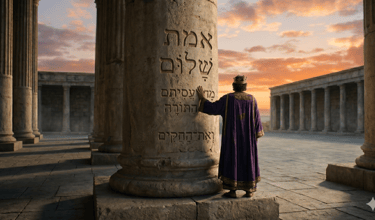
Josiah ended his reform by standing “in his place” by a pillar and making a covenant “to walk after the Lord... with all his heart, and with all his soul” (v. 31). He didn't check the trends; he stood on the Doctrine. To be a "Josiah Generation," we must find the Book, weep over our departure from it, and take our stand by the Pillar.
Resources for Further Study
The Last Revival: Josiah and the Lost Book – Jacob Prasch (Moriel Ministries)
Josiah’s Reformation and the Return to Scripture – Time in the Word
The Next Faithful Step: Josiah’s Reform – Fuller Seminary
2 Chronicles 34: The Word in the Temple – Growing Christians Ministries
2 Chronicles 34 Daily Bible Devotional – Groundworks Ministries

Doctrine Matters
Jeremiah 6:16
“Thus saith the LORD, Stand ye in the ways, and see, and ask for the old paths, where is the good way, and walk therein, and ye shall find rest for your souls. But they said, We will not walk therein.”
King James Version